

The Science Behind Thermal Comfort: What Makes a Home Feel Just Right
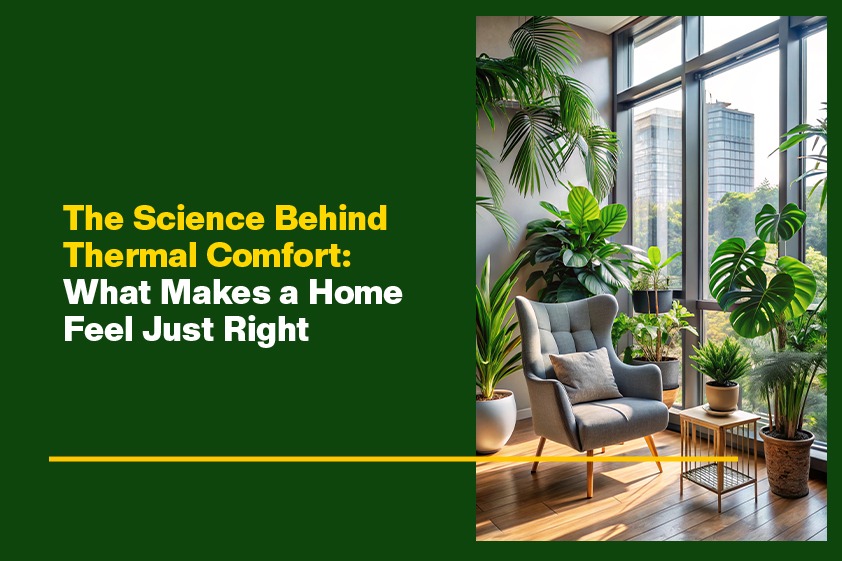
Thermal comfort shapes how a house feels, making the space welcoming or unsettling with even the smallest change. It’s the hidden factor that explains why some rooms draw people in and others drive them away, all without saying a word.
How Body Heat Affects Comfort
Think of the body as a small heater. It eats, moves, and gives off warmth. When inside a house, the body needs to get rid of extra warmth. If a home is too warm, people start to feel hot and stuffy. If it’s too cold, warmth slips away, leaving people shivering. This is why even a small shift in temperature can change the mood in a room.
Air Temperature: The Everyday Thermostat
The temperature inside a house acts like the room’s mood setter. A living room around 19°C–21°C in winter feels cozy; bumping it up to 24°C helps in summer. Picture how a chilly morning feels, with cold air brushing against your skin, compared to the relaxing warmth of being under a blanket. The thermostat doesn’t just set the air temperature—it often decides how homey a room feels.
Surface Temperatures: Warm Walls and Floors
Touching a cold wall on a winter evening is a quick way to feel uncomfortable. Surfaces give off or soak up heat, which the body notices right away. If floors and walls stay near the air temperature, the whole space feels steadier. This is why stone floors stay cool in summer and thick carpets keep feet warm in winter. The right surface temperature changes everything—it’s kind of like wearing the right layers on a brisk day.
Humidity: Moisture’s Quiet Influence
Humidity, or moisture in the air, is often overlooked. Too much moisture and the room feels sticky—too little and the air feels dry, pulling moisture from skin and lips. Staying within a humidity range of 40% to 60% keeps breathing easy and comfort high. Think about how muggy a day feels just before rain compared to a dry, crisp day—humidity causes both sensations.
Airflow: The Wind Factor
A breeze can cool down a hot room in seconds, but that same draft leaves people chilled in winter. Movement of air makes people feel either comfortable or annoyed, depending on the season. Imagine opening windows in summer for a refreshing cross-breeze or blocking a draft to keep winter warmth in—both are just the wind at work.
Building Materials and Insulation: The Unsung Heroes
Walls, roofs, and windows matter more than most people think. Energy-efficient homes use special insulation and materials that slow down heat from coming in or going out. Good materials—like insulated concrete, thick glass, or recycled steel—work behind the scenes, helping rooms stay steady in temperature and slashing wasted energy. Some materials reflect sunlight, others hold warmth, and the best do both. Think of them as the sweater, sunhat, and sunglasses for the house.
Passive Design: Letting the House Work for You
Shading, window placement, and smart use of plants help create comfort without using extra power. Tall trees cool down houses just like standing in the shade on a hot day. Light-colored roofs bounce sunlight away. Thick curtains keep heat in at night. These small choices build up, making comfort automatic and energy bills drop.
Simple Changes for Everyday Comfort
Getting the “just right” feel doesn’t come from machines alone. Adjusting clothes, using fans, and opening windows are common habits that put people in control. Personal choices—like using heavier curtains in winter or lighter bedding in summer—work alongside building design. It’s a team effort between people and place.
Last Thoughts: Ready to Try a Change?
Think about the rooms in your home. Which ones always feel better? What could you change—maybe a new curtain, a thicker rug, or a bit more shade outside—to boost thermal comfort? Test out these small ideas, watch how the space changes, and see how much more inviting your home can be. What will you try first?
Recent Blog

Sustainable Living in Kochi: Why Apartments Designed for Earth Matters
As environmental concerns grow and urban temperatures rise, sustainable living is becoming a necessity in cities like Kochi. This World Earth Day, the focus is shifting towards eco-friendly apartments that reduce ... Read More

Ethical Building Practices: Why Transparency Builds Trust
Buying a home is one of the most important decisions a person makes, both emotionally and financially. In today’s real estate market, transparency plays a key role in building trust between developers and buyers... Read More

Beating the Heat: Designing Apartments for Kerala’s Changing Summers
Kochi’s summers are becoming increasingly intense, making indoor comfort a growing concern for apartment living. Traditional designs often struggle to manage rising heat, leading to higher energy use and discomfor... Read More

The Rise of Luxe Living: Redefining Premium Apartments in Kerala
Luxury housing in Kerala is undergoing a quiet transformation. What once defined premium apartments, larger square footage, and high price points has evolved into something far more refined and experience-driven. To... Read More